
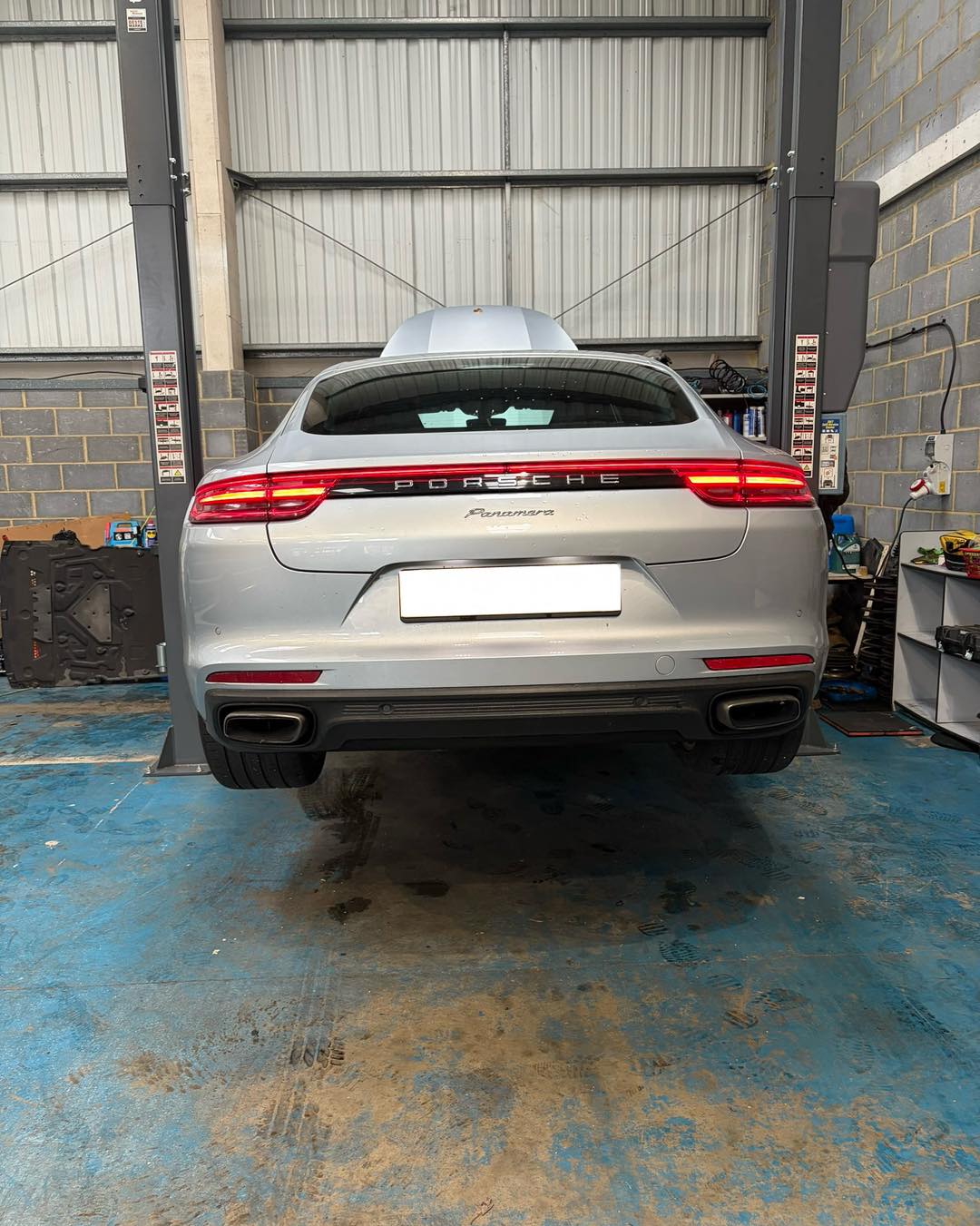
Short runs, flat ground and what gives out first
Hackbridge sits on the floor of the Wandle valley, and the river runs about four hundred metres south of the station. Flat ground, short distances, and a railway station that puts you in Victoria in around 25 minutes, so a lot of local cars cover one mile at a time and spend the rest of the day parked.
That pattern decides what fails. It is not the long-mileage wear you get on a car doing the A217 every day. It is the stop-start count: every junction on London Road, every queue at the level crossing, every three-point turn out of a packed residential street. A clutch wears by slipping, and slipping happens at low speed in traffic rather than at seventy in sixth.
The same goes for anything that is cycled rather than simply rotated. Dual-mass flywheels take their punishment from repeated take-up, not from distance. Gearbox synchros suffer in traffic. Engine mounts tire from being loaded and unloaded at junctions. A ten-year-old Hackbridge car with forty thousand miles on it has done far more work than the number suggests.
So when we quote on something in this category we look at how the car is used rather than only at the odometer, because on a local car the two tell different stories.
Oil leaks are over-represented on low-mileage local cars, and the reason is seals rather than wear. Rubber hardens with age and with heat cycling, and a car that is started cold, run for four minutes and parked is heat-cycling constantly without ever reaching a steady temperature. Seals that would survive a motorway life perish on a station-run life.
The job is finding which one. Oil tracks along the underside of an engine and appears a long way from where it left, so the drip on your driveway tells you very little about the source. We clean the area, run it, and look rather than guessing from where it lands — a rocker cover gasket and a rear crank seal look identical on the floor and are very different bills.